
Great Road Journeys organises self drive adventure holidays in India, The Himalayas, Vietnam, Peru, Africa, and Europe.
If you are looking for a quality holiday, offering excitement and variety come and join us on one of our driving adventures. We provide you with a vehicle, mechanical support, and all necessary backup. There is no convoy driving. Instead you drive at your own pace, guided by an easy to follow route book.
Who Are Great Road Journeys?
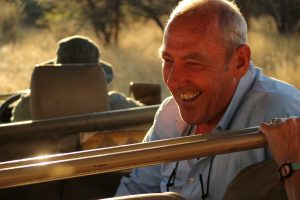 The business was formed by Steve McCullagh. Seventeen years ago, in 2006, he organised a driving tour in India for a group of friends. This was the first time a self-drive event had been run in India using Indian cars. The trip was intended to be a one off but all the participants said it was the best holiday they had ever had. Before long other people were contacting Steve asking to come on his ‘next’ tour and so the company was born. Originally called Classic Car Journeys, in 2018 the name was changed to Great Road Journeys. Following the success of the inaugural tour the itinerary now includes several worldwide destinations. Steve and his team achieved another world first when they became the first company to organise a self drive tour in Vietnam.
Who takes part?
Participants on a Great Road Journey are people who are looking for a holiday with a difference. People, who rather than sitting on a beach all day, like the idea of arriving and exploring somewhere new each day. Those who are happy to be independent during the day yet enjoy having dinner chatting with like minded people. People who above all have a sense of adventure and enjoy travelling.
How are our tours organised?
We provide you with a fully insured vehicle to drive at your own pace. Typically each tour will be made up of approximately fifteen vehicles. There is no convoy driving. Instead each participant is provided with a comprehensive easy to follow route book. Wherever possible the routes incorporate quiet rural roads with stunning scenery and often visit fascinating non tourist areas. We use accommodation that is stylish and unique and the whole tour takes place in an atmosphere that is friendly and fun. We accompany every tour to ensure a trouble free enjoyable holiday.